
Target premium custom diecast collectors with limited-run drops, provenance details, studio-grade photos, and private previews that emphasize rarity, craftsmanship, and investment appeal.
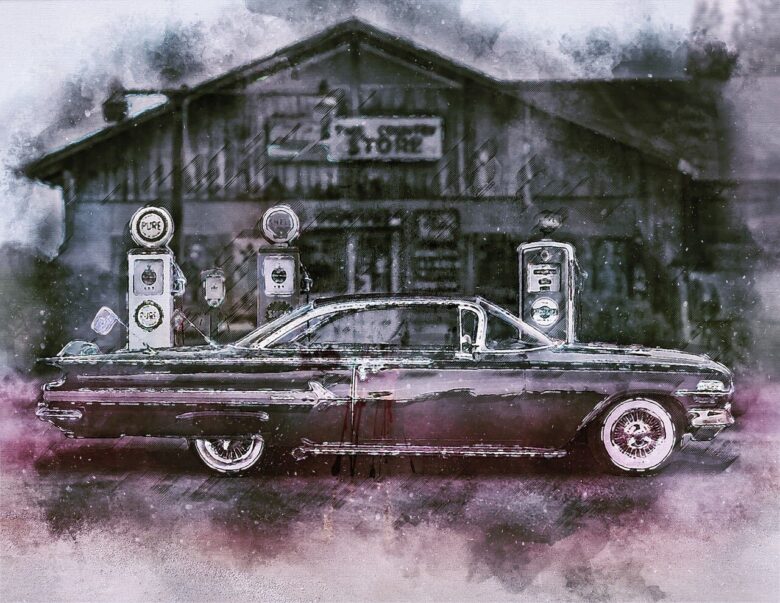
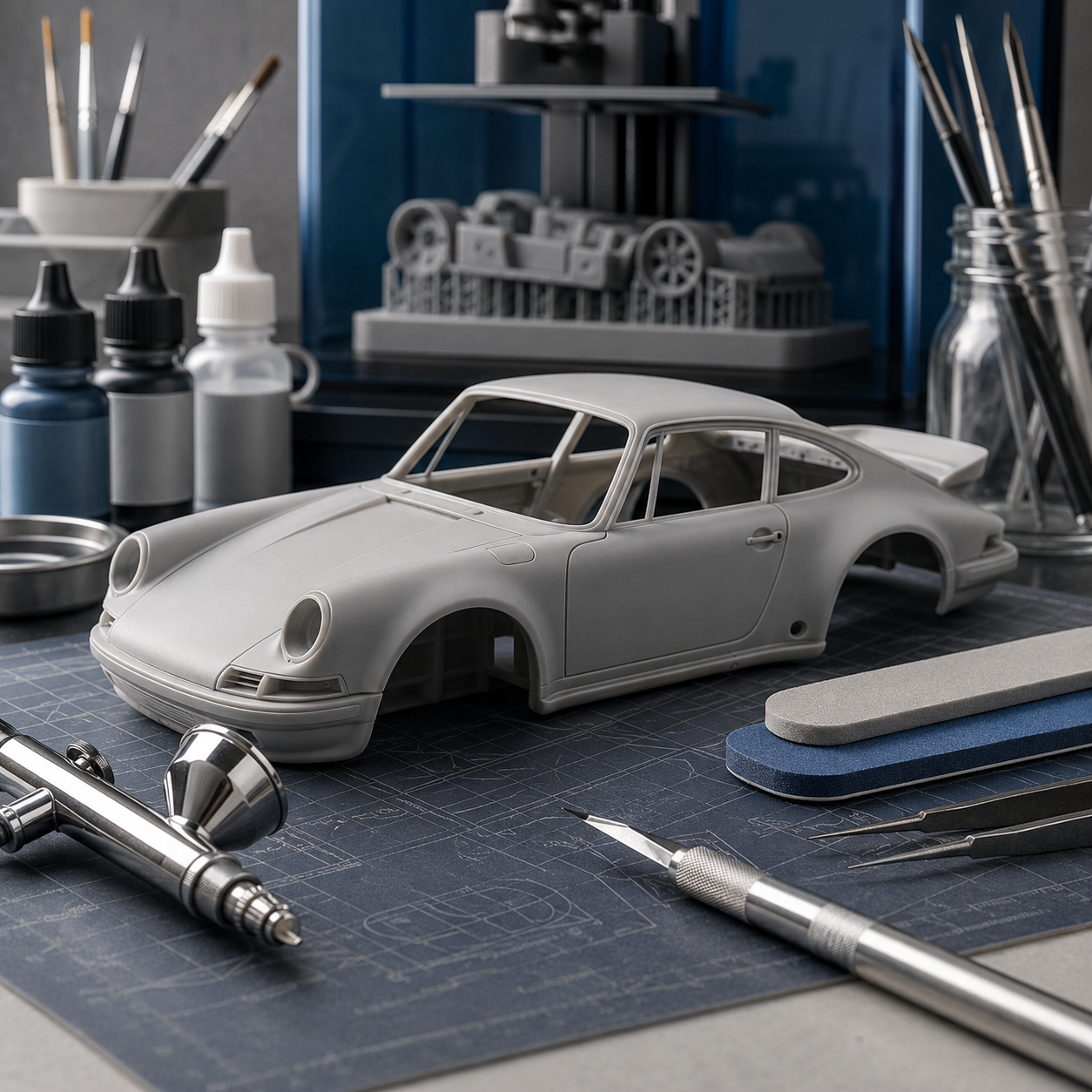
Target premium custom diecast collectors with limited-run drops, provenance details, studio-grade photos, and private previews that emphasize rarity, craftsmanship, and investment appeal.

Mirror finish: wet-sand cured resin from 1000 to 3000 grit, rinse often, then polish with fine compound and a soft pad. Seal with wax only after scratches vanish.
Consistent resin curing starts with stable ambient heat, pre-warmed molds, calibrated thermostats, and infrared checks to prevent hot spots and under-cured sections.
Secure licensing first: selling branded resin automotive parts requires written authorization, approved designs, royalty terms, and quality controls to avoid infringement.

Fix delamination by re-leveling the build plate, increasing exposure, reducing lift speed, and warming resin. For layer shifts, tighten the Z-axis, stabilize supports, and check FEP tension.
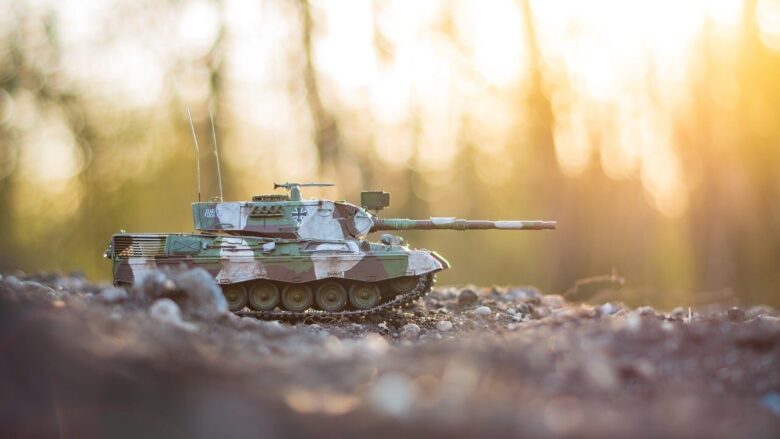
Fix: Let the clear coat cure, then wet-sand with 3000-6000 grit, polish, and recoat in light mist-to-wet passes. Thin correctly and spray 10-15 cm from the model.

Protect resin models with foam, bubble wrap, and rigid boxes. Immobilize parts, cushion voids, seal against moisture, and choose tracked international shipping with insurance.
Control toxic 3D printer fumes with sealed enclosures, HEPA and activated-carbon filtration, routine filter changes, and proper disposal of resin, solvents, and contaminated wipes.
For 1/24 automotive detailing, choose a quiet compressor with a tank, moisture trap, and precise regulator to hold 12-20 PSI for smooth primers, metallics, and fine trim work.

Price custom resin cast car parts by adding material, mold wear, labor, finishing, packaging, and platform fees, then benchmark rarity and collector demand to set a credible margin.