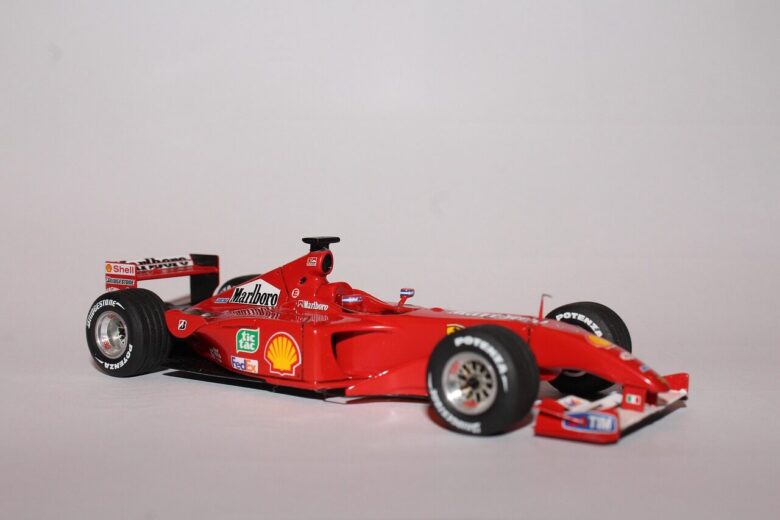
This guide explains how to break complex racing liveries into paint and decal layers, plan color order, choose masking materials, register symmetrical graphics, control paint buildup, and remove masks while respecting compatibility and curing guidance.
LS Resin Lab Editorial Team
The LS Resin Lab Editorial Team publishes practical educational guides about resin 3D printing, scale-model finishing, painting, airbrushing, troubleshooting, workshop safety, shipping, licensing, and responsible selling practices. Content is prepared for general informational purposes using transparent research and source-based explanations. LS Resin Lab does not invent professional credentials, hands-on testing, workshop experience, certifications, or personal results that have not been independently verified.
Learn how to compare marketplaces and owned storefronts for 3D-printed miniatures using design rights, product eligibility, discovery, country-specific payments, complete order costs, fulfillment workflows, catalog needs, customer access, policy risk, and data portability.
Learn to distinguish global, local, feature-specific, and axis-related dimensional errors in resin model parts through consistent post-process measurement, representative tests, repeated prints, and controlled variable changes before applying CAD or printer compensation.
Learn how primer, ground color, controlled candy or pearl passes, compatible clear coats, and test cards work together, with practical guidance on uniform application, product compatibility, recordkeeping, lighting evaluation, resin preparation, and spray safety.
Calibrate clear and translucent SLA resins by controlling layer height and temperature, bracketing exposure from manufacturer guidance, reading positive and negative geometry, separating adhesion and post-curing issues, and validating settings on representative model-car parts.